In recent years, sustainability has become an important part of international sport and the organization of major events. Modern competitions are not only about athletic performance and the emotions of participants, but also about responsibility for how such events affect the environment, the host city, and the community.
We share this approach.
Any large-scale event involves the use of resources: water, energy, materials, transportation, and infrastructure. When hundreds or thousands of people gather in one place, even small decisions can have a noticeable impact. Therefore, our task is to gradually reduce the environmental footprint of the event and introduce more responsible organizational practices.
At the same time, it is important to be honest: many of these practices were implemented even before we began calling them sustainability initiatives. We have always tried to treat the venue with care, work with local contractors, reuse infrastructure and equipment, and avoid the excessive use of materials.
Today, these approaches are becoming part of a more systematic effort.
We follow international best practices and sustainability principles, including the United Nations Sustainable Development Goals (SDGs). In particular, we align closely with Goal 12 — Responsible Consumption and Production, which focuses on reducing waste and improving the efficient use of resources.
As part of the preparation and delivery of the event, we are gradually introducing several initiatives:
- development of a waste separation system
- recycling of organic waste and transfer to local farming communities
- reduction of single-use plastic
- implementation of water refill stations
- rental of infrastructure and equipment instead of purchasing
- use of electric transport within the event venue
- environmental awareness and education for staff, volunteers, and participants
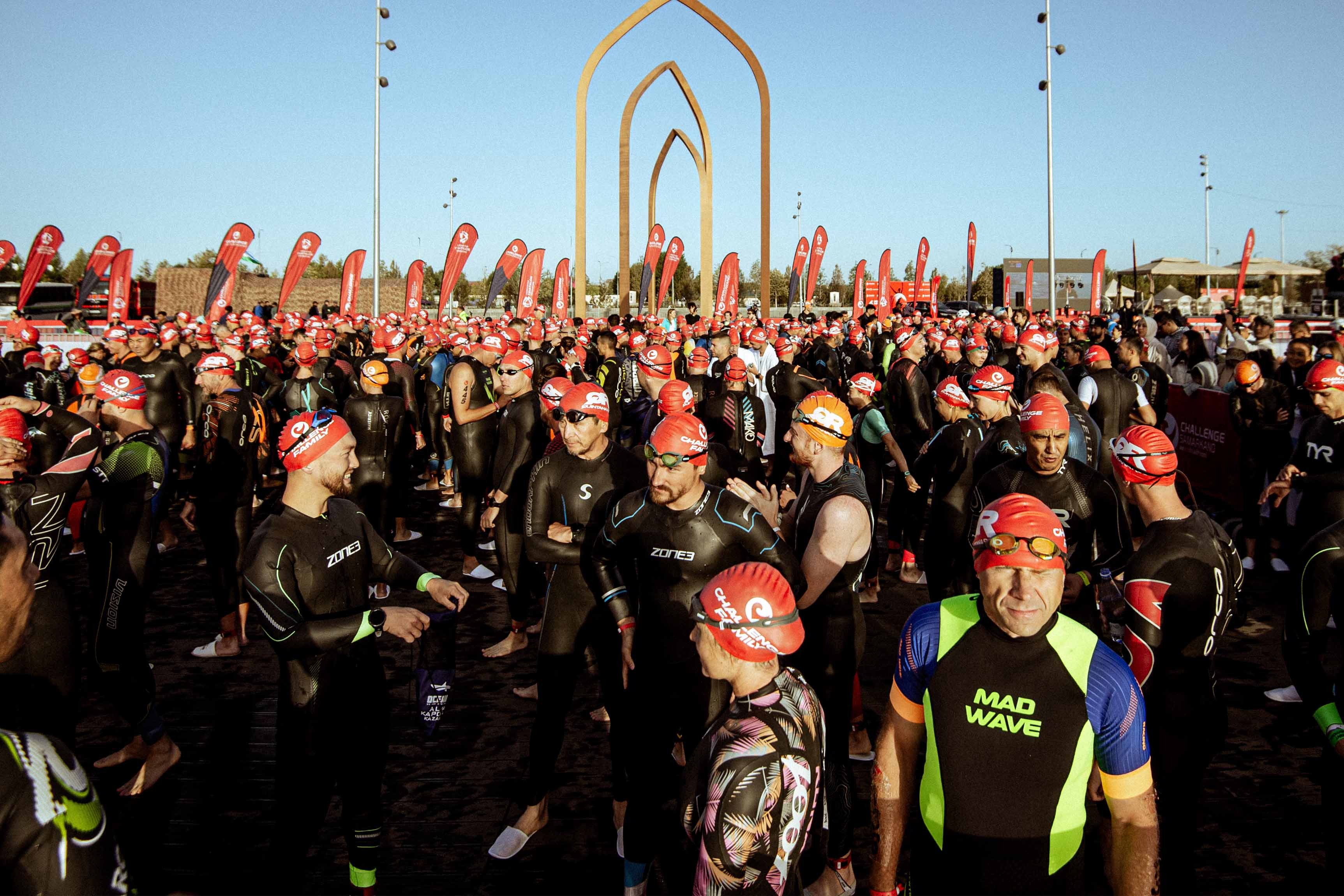
We also pay particular attention to protecting the natural environment within the event area. The Silk Road Samarkand venue is a newly developed urban space with young green areas and an artificial rowing canal, both of which require careful management. Therefore, we focus on protecting lawns, preventing the formation of informal footpaths, and preserving the quality of landscaped public spaces.
Our Goals for 2026
As part of the development of our sustainability program, we have set several concrete targets:
- ensure that at least 60% of waste generated during the event is separated and recycled
- recycle up to 90% of organic waste by transferring it to local farms
- use at least 50% electric transport in operational activities within the venue
- implement a minimum of three water refill stations for staff and operational teams
- provide sustainability training for all volunteers, technical officials, and organizing committee staff
- prepare a series of communications and materials for participants focused on responsible behavior during the event
In addition, we are gradually introducing new solutions to reduce unnecessary production. For example, participants can choose to opt out of receiving event merchandise during registration if they do not need it. This helps prevent the production of items that might otherwise remain unused.
Gradual Change
We understand that sustainability is not a one-time decision or a single project. It is a continuous process that requires time, experimentation, and the joint efforts of organizers, partners, participants, and volunteers.
Our goal is to move forward step by step—introducing new practices and making each future event more responsible than the last.
Sport brings people together.
And we want it to also help foster a more respectful and responsible relationship with the world around us.